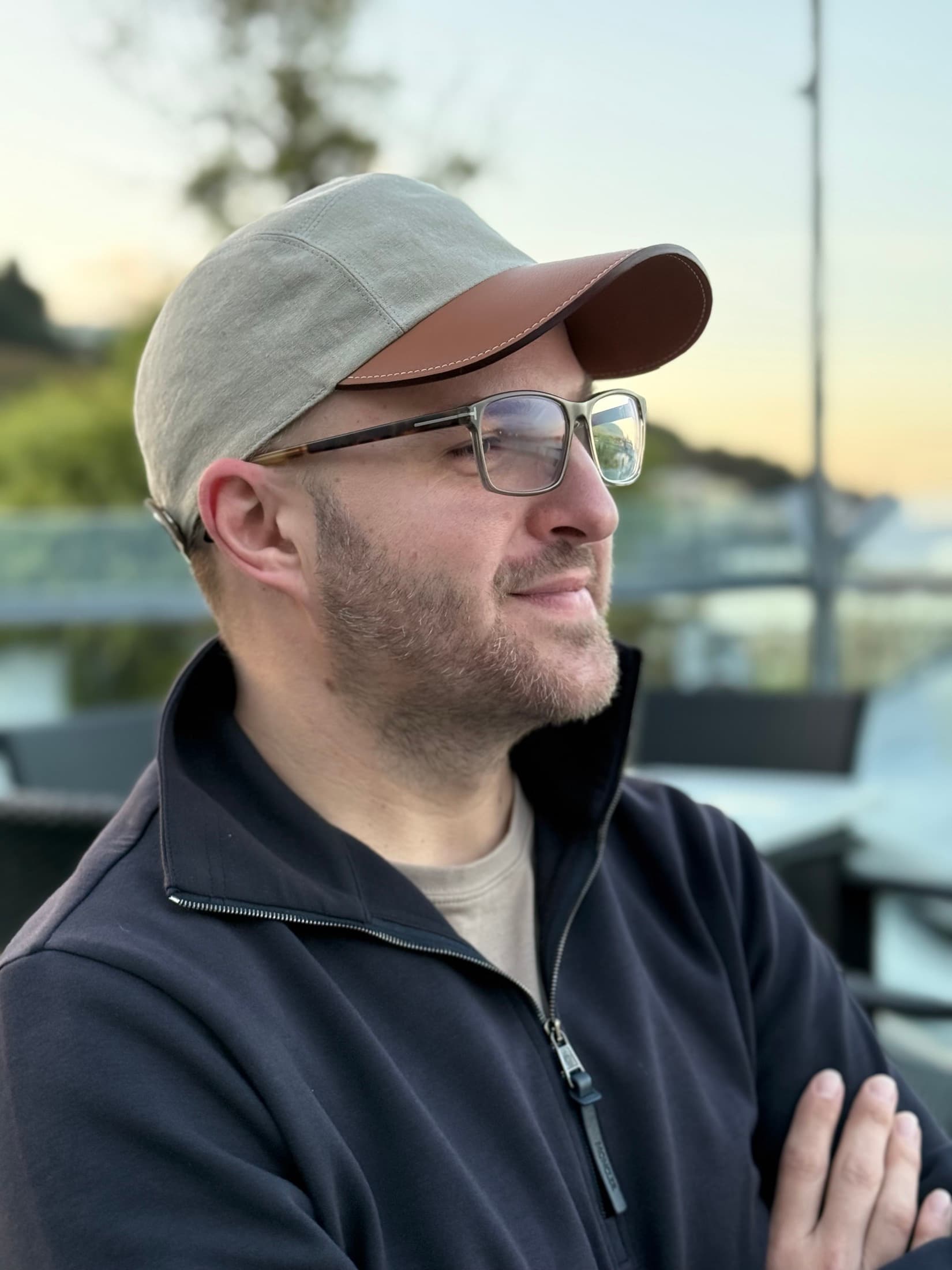
Curtis Crimmins
Hotelier. Real estate operator. Founder.
From the housekeeping cart to the ownership table.
The question
Why do the people who pay for something so often see the least of what they get?
In a hotel, the guest sees the lobby and pays for the room. In a town, the household sees the substation and is told about the tax base. The cost is always legible. The benefit rarely is.
Curtis Crimmins has spent his working life on the operator's side of that distance, first in hospitality and then in the data that hospitality declined to share. His current work applies the same principle at the scale of infrastructure.
He starts companies. He writes. He advises people building robots that work beside human beings.
Biography
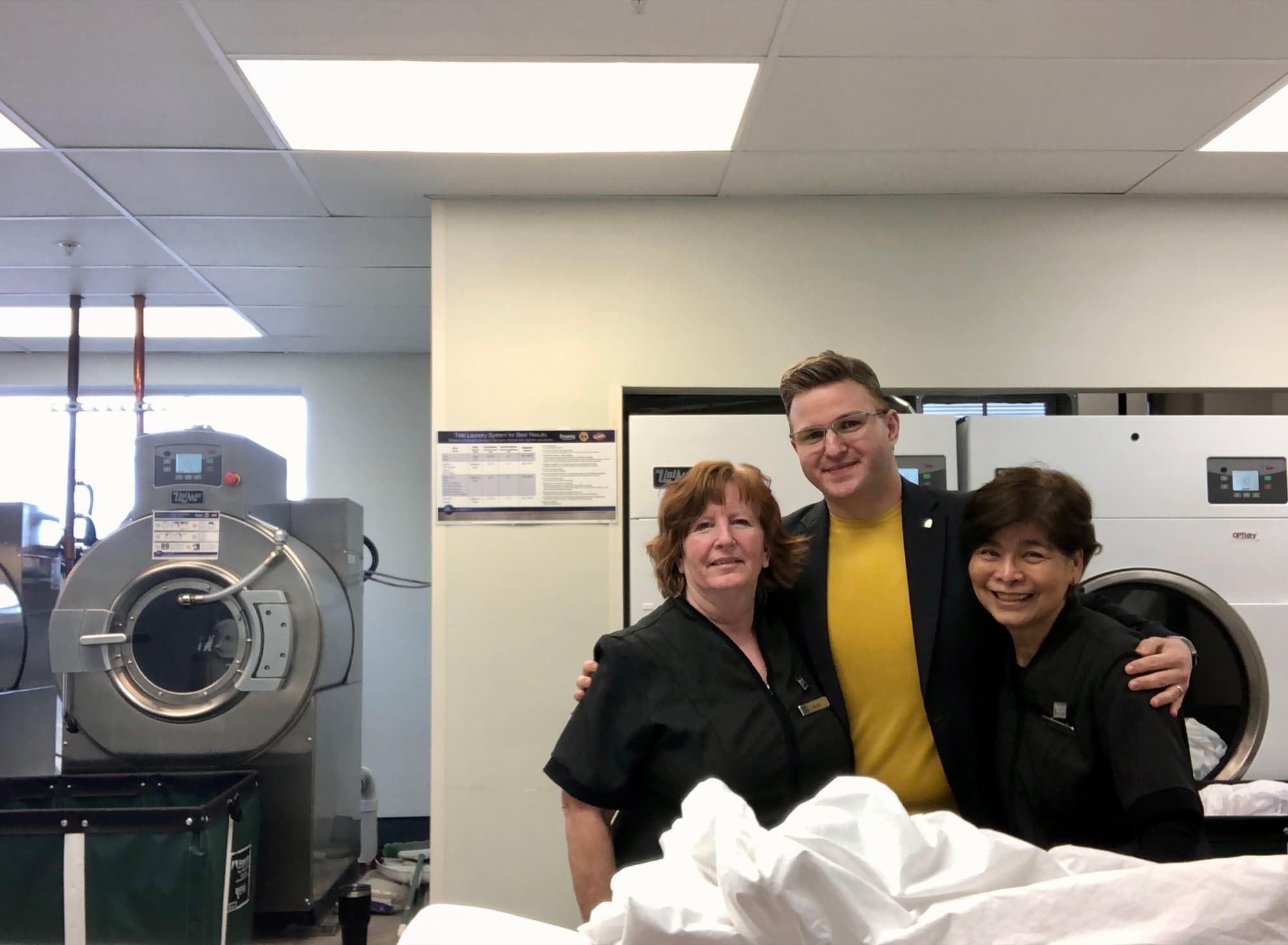
His mother was a hotel housekeeper. He has been one too.
Curtis Crimmins grew up on the Georgia coast between Savannah and Saint Simons Island, where visitors came for the islands and the people who lived there cleaned up after them. His mother cleaned rooms at a Motel 6, a Comfort Inn, and the traveler motels along the highway, and he saw the hotel business first from the back of her cart. The family was poor, and the poverty came with company. Illiteracy, addiction, and crime were facts of the street he grew up on.
He was a bright child, the kind who joins the Latin Club, and his first job was as an embalmer's apprentice at a local funeral home. Tending to the dead, who cannot repay any kindness, taught him what hospitality is. His first job in the industry was as a concierge at The Cloister at Sea Island, a short drive from where he started.
The years around those two jobs were not orderly. Trauma, addiction, and episodes of mental illness put him in front of the criminal justice system and, for a time, in jail. He got treatment, and then he did the slower work that comes after it. By his early twenties he had changed the course of his life, and he has held it since. He says so plainly, because second chances are the reason he has a biography, and because many of the people who clean rooms and carry bags have a story like it and are rarely asked to tell it.
He chose hospitality deliberately, and for a reason older than the industry. He studied at Full Sail University, Columbia University, and Emory University, and what stayed with him was Greek and Latin, above all the idea the Greeks called xenia: the bond between host and guest, so binding that Zeus himself was said to enforce it. By that measure a hotel is a place where a stranger is received with dignity, whoever they are and however they arrived, and the real estate is incidental. The idea has outlasted everything the industry has done to it. It is also where he healed, and where he became the man he meant to be.
He spent the next two decades working through every level of the business: housekeeper, front desk agent, and concierge before general manager, general manager before area vice president, across Marriott, Ritz-Carlton, Hilton, IHG, and Best Western. He is a Certified Hotel Administrator and a certified general manager for four of the largest hotel companies in the world, and he served as Chief of Staff at OYO during its United States expansion. As a developer he built a Hampton Inn, a Fairfield Inn, and a Best Western Premier from the ground up, and he has renovated dozens of hotels, independent and branded, worth more than one hundred million dollars in all.
In 2020, certain that the pandemic would disrupt travel more than anything before it, he founded Roomza. It began as a hotel brand and became the truth about the individual room, scored from real stays, which no hotel can edit or buy. It is xenia turned into data. The guest deserves to know what is behind the door before it opens.
He advises founders in artificial intelligence, robotics, and hospitality, and the venture funds that back them. He bought bitcoin very early, before it was a subject of polite conversation, and has never been a believer, then or now.
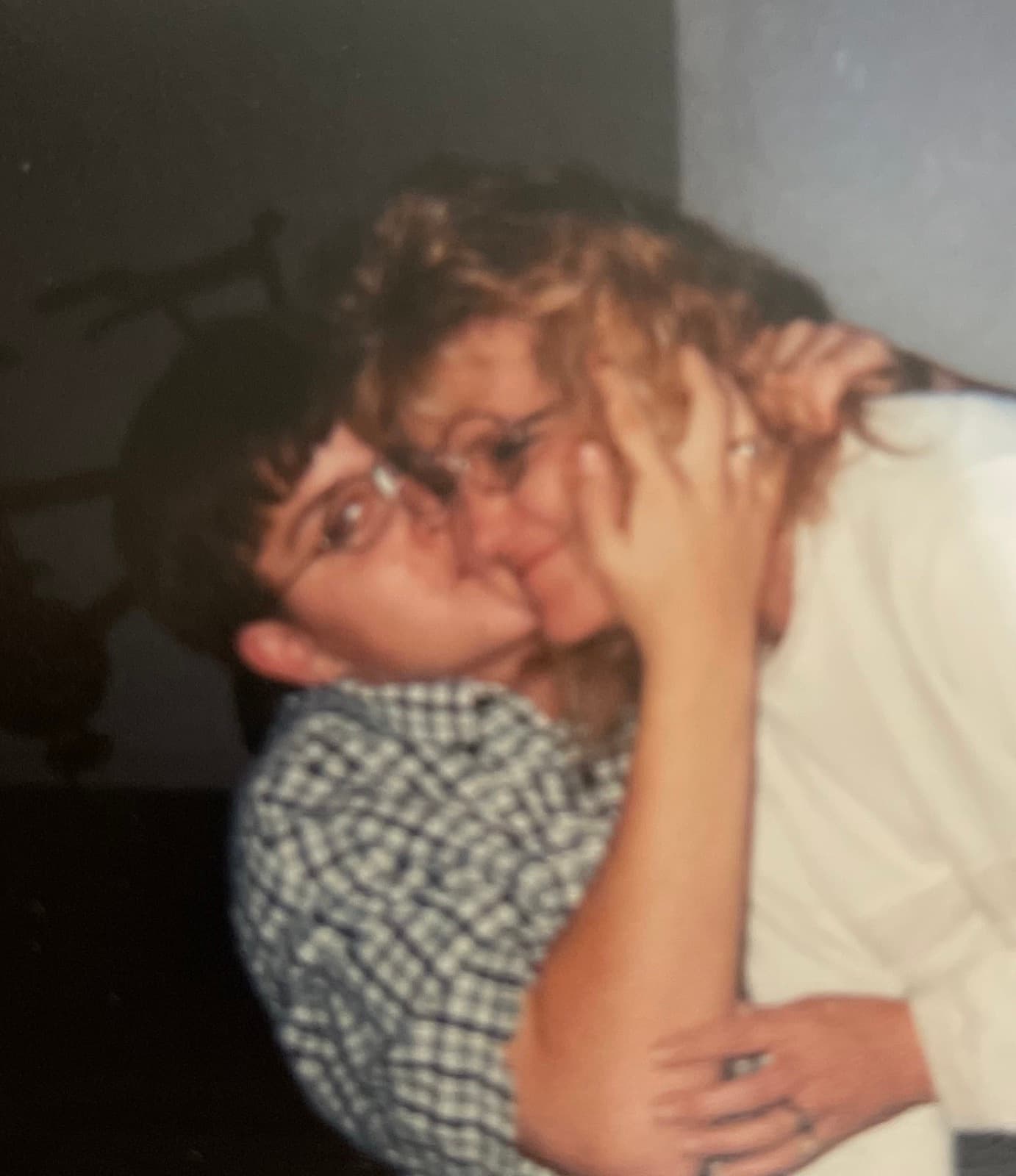
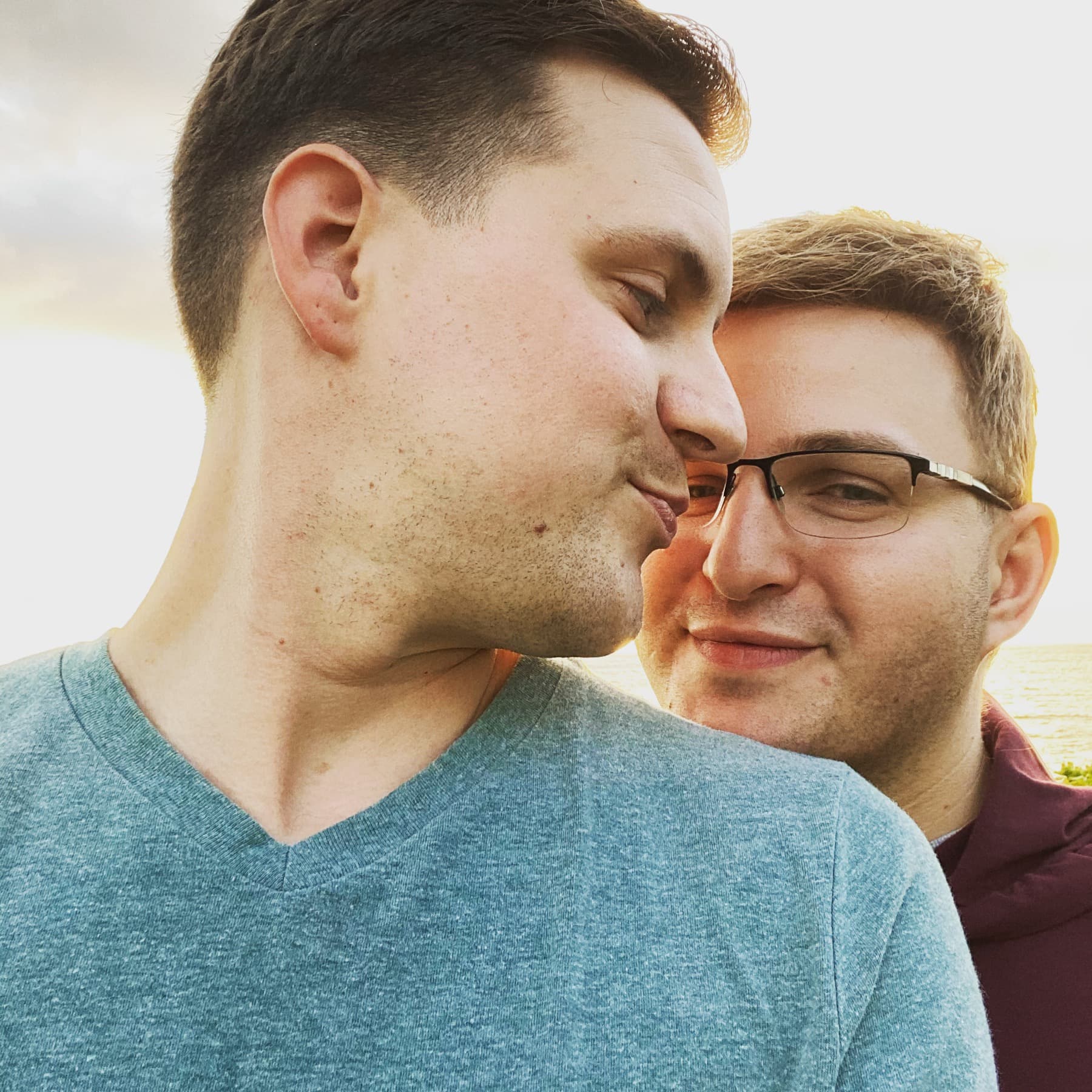
He was born Curtis Allen O'Neal. In 2011 he met Michael, a combat veteran of the United States Army, and became a military spouse, the proud kind, through a deployment and through the injuries that brought Michael home and ended his service. They married in 2013, and Curtis took his husband's name.
He lives in Seattle with Michael, and with Katie, Shako, and Priscilla. He travels whenever he can and talks late whenever he is allowed. He reads about the Second World War and the old empires of Europe, keeps close to his nieces and nephews, and likes red candy of every kind.
The record
Every job in the building, in roughly the order a building hands them out.
- BeginningConcierge, housekeeper, front deskStarting at The Cloister at Sea Island
- OperationsGeneral manager, then area vice presidentMarriott, Ritz-Carlton, Hilton, IHG, Best Western. Certified Hotel Administrator.
- BuilderBuilt a Hampton Inn, a Fairfield Inn, and a Best Western Premier; renovated dozens moreIndependent and branded, assets exceeding one hundred million dollars
- ScaleChief of StaffOYO, during its United States expansion
- 2020 to nowFounder, Roomza, Inc.Room-level truth for hotels. Live and bookable.
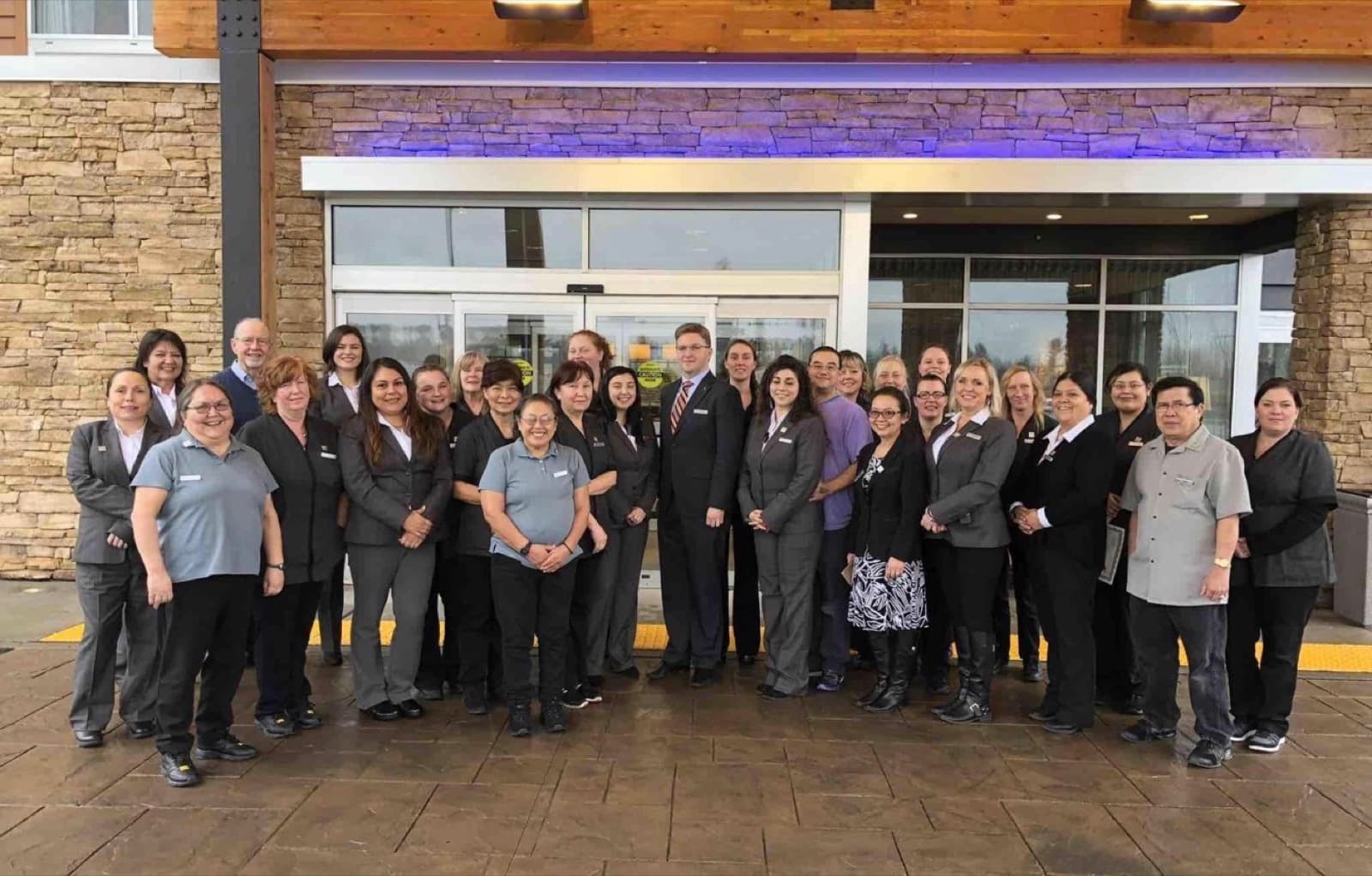
A building is a promise made to two sets of people: the ones who pay to be inside it, and the ones who live next to it. Crimmins has been accountable for the first promise for his entire career. The second is about to matter a great deal more.
Roomza
Hotels sell rooms while disclosing very little about the room.
He founded Roomza in 2020 because that seemed untenable. It is the truth layer for hotels at the level of the individual room: view, noise, condition, bed, accessibility, scored from real stays and from signal derived on the open web. Hotels cannot edit or purchase a score. It is live and bookable today.
Roomza was the first thing he built to close the distance between what a buyer can see and what a buyer receives. That distance turned out not to be a hotel problem.
Elsewhere
He advises robotics teams on machines that work alongside people rather than in place of them. With Stephen Dolinko, DVM, he is building Snoot, which gives the assistant people already use access to their pet's real veterinary history, with a veterinarian in the loop.
Now
The next company.
Crimmins is building a company that makes the benefits of large infrastructure, beginning with the data centers behind artificial intelligence, visible to the households that live beside it. It applies what he learned running hotels to the buildings that towns are now being asked to host. Details will follow when the company is public.
What he believes
Hospitality is a human act, not a building type.
The person paying should never know less about what they are buying than the people selling it.
A benefit can be economically real and socially invisible. That distinction is the whole problem.
Workers usually know what is broken long before executives do.
“Industry standard” often means nobody has fixed it yet.
Technology should make people more capable, not make them disappear.
The servers may be hidden. The economics will not be.
Kindness and niceness are not the same thing.
In the press
- Travel + Leisure, 2026This Is the No. 1 Phrase You Should Say to Get a Free Room Upgrade, According to Hotel Staff and Frequent Travelers
- CNBC, 2026From Hyatt to Holiday Inn, America's free hotel breakfast is facing a K-shaped economic threat
- The Boston Globe, 2026Travel and tourism brands are in uncomfortable territory: The political fray
- The Washington Post, 2024Are bedspreads actually filthy? Hotel employees debunk 10 old myths.
- Hospitality Net, 2023An Interview with Curtis Crimmins
- Hospitality Daily, 2023Rethink Everything: We Can Do Better in Hospitality
- HOTELS Magazine, 2022The next hottest market? The Metaverse
- BLLAAn Interview with Curtis Crimmins
- HerTelierAlly of the Month: Curtis Crimmins, Founder and CEO of Roomza